Yarden Brikman
06/08/2026

Lesbos feels like the right island, and then a wildfire headline about Greece makes the plan feel less simple. The question is not whether fires elsewhere in Greece are serious, but whether a report concerns Lesbos—also called Lesvos—or Mytilene, its main town, and what official sources say about your route and destination.
Our direct answer is conditional: a wildfire headline about another part of Greece does not establish that Lesbos is affected. Equally, no undated article can confirm that the island is fire-free or safe on your travel day. Check official fire-risk information, active alerts, local restrictions, and transport status before deciding whether to travel or continue with your plans.
If current island conditions feel right for your trip, explore a peaceful Plomari base designed for travelers who want comfort, local insight, and a slower Greek island rhythm.
If wildfire news is making you hesitate, shift from general headlines to island-specific verification. Check the forecast and daily fire-risk map, then look separately for active incidents, Civil Protection instructions, local restrictions, and flight or ferry changes. A risk forecast is not a report of a fire.
For wind, heat, and short-term weather changes, check the Hellenic National Meteorological Service (EMY): official forecasts. Meteoblue and Windy can provide additional weather context, but neither a forecast nor a weather map confirms whether a wildfire is active or an evacuation has been ordered.
Check the daily wildfire-risk map published by Greece’s General Secretariat for Civil Protection for the North Aegean area covering Lesbos. Its risk category describes the potential for fires to start and spread; it does not show that a fire is burning. For an active incident or instructions affecting your location, check Civil Protection announcements and any emergency alert sent to your phone, then follow directions from local authorities. An absence of an alert on your phone is not proof that every part of the island is unaffected.
Search official notices using both Lesbos and Lesvos; Mytilene may appear in reports about the airport, port, or town. Confirm whether a notice concerns Plomari, your accommodation, or the roads you intend to use rather than assuming an island-wide impact.
If official checks show no relevant alerts or restrictions and your transport is operating, a fire elsewhere in Greece need not determine your Lesbos plans. Recheck close to travel: conditions can change, and a normal forecast alone cannot establish that a particular route or area is unaffected.
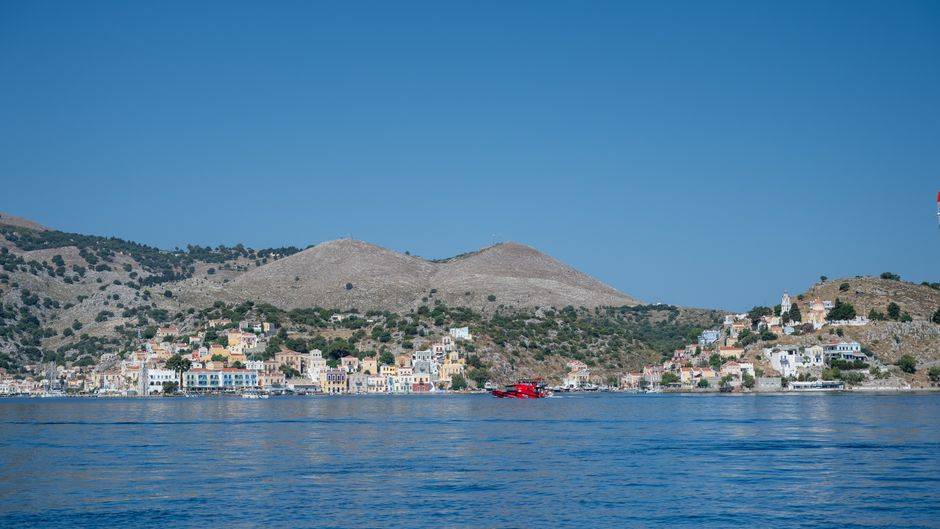
During summer, Greek fire news can be intense and completely real. But Greece is not one small, uniform destination. Conditions can differ sharply from one mainland region or island group to another. A serious event in one part of the country does not tell you, by itself, what is happening on Lesbos on the same day.
That distinction matters because anxious travelers often absorb national coverage as if it were a live island report. We encourage a narrower question: what is happening on Lesbos specifically, and what are the visible local conditions now? If there are no current problems on Lesbos and no visible transport or access disruption, then the practical reality for your trip is very different from the emotional atmosphere created by broad headlines.
We do not minimize wildfire risk in Greece, especially in peak summer. We simply do not overgeneralize it. For Lesbos, the smart decision is neither panic nor blind reassurance: check the specific area, current official instructions, and your travel route.
Once safety is back in focus, the next question is comfort. For many guests, the safest-feeling trip is also the one that feels least stressful overall: manageable heat, pleasant water, fewer crowds, and less sense of rushing around. On Lesbos, August, September, and October each offer a different rhythm.
August is the most classic high-summer month. The sea is warm, the days are long, and swimming is easy to build into every part of the day. It can also be the hottest and busiest of the three months, so travelers who are already fire-anxious may prefer shade, flexible plans, and fewer long drives. Pleasant holiday weather does not replace checking official fire-risk information and local instructions.
September is often the easiest balance. The sea usually stays beautifully warm, but the atmosphere tends to soften. Heat can still be very pleasant for beach time, yet the overall mood is calmer. For many travelers who want Greece in season without the sharpest edge of peak-summer intensity, September is the month that feels most reassuring. It is often the month when safety, comfort, and relaxation line up especially well on Lesbos.
October is quieter still. The island can feel more spacious, and many guests love that slower rhythm. Sea swimming is still possible, especially earlier in the month, though conditions become less predictably summery than in August or September. If your idea of a successful Lesbos trip is more about rest, views, food, walks, and selective swims than all-day beach heat, October can be lovely.
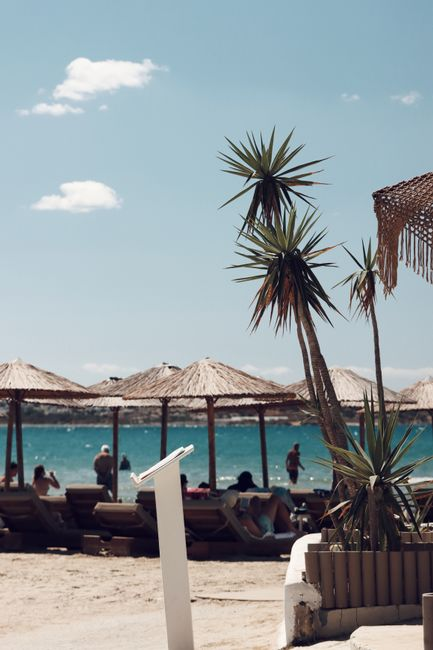
In practical terms, September often offers the most comfortable mix of warmth and calm; August suits travelers seeking peak summer, while October brings a quieter island mood. These are seasonal comparisons, not predictions of wildfire conditions. For any trip, let current official information—not the month alone—guide your decision.
Once you book, the goal is not to keep refreshing bad news. It is to monitor a small number of trusted signals at sensible moments. That keeps the trip grounded in reality rather than anxiety.
Pause and reassess if an official notice identifies a fire or restriction near your accommodation or route, or if your carrier reports a meaningful disruption. Heat alone does not confirm a fire, and the absence of a reported problem is not a guarantee of safety. If information conflicts, prioritize current instructions from the authorities responsible for the affected area.
The reason this matters so much is simple: most guests are not just booking a room. They are trying to protect a feeling. They want Greece without constant second-guessing, without smoke anxiety hanging over every plan, and without the sense that the trip could unravel because national headlines have swallowed local reality.
That is one reason we believe Lesbos stands out when current official conditions are calm. The island offers space, authenticity, and a slower rhythm than many more pressured summer destinations. And in Plomari especially, the experience many travelers are looking for is not loud or frantic. It is peaceful, rooted, and restorative.
For travelers considering Plomari, a slower-paced stay can make it easier to keep plans flexible. Whatever accommodation you choose, ask about access if an official notice affects the area, and follow local authority instructions rather than relying on an undated claim about conditions on the island.
It is fair to say that fires elsewhere in Greece do not automatically affect Lesbos. It is not fair to guarantee the island is safe without checking current incidents, alerts, restrictions, and your route.
Not automatically, but many travelers feel more comfortable in September because the heat is often less intense while the sea is still warm. It can be the most balanced month for a calm Lesbos holiday.
Then it makes even more sense to choose a well-supported stay, monitor weather closely, and avoid overpacked itineraries. A calm base in Lesbos, especially around Plomari, often suits families who want an easier pace and less day-to-day uncertainty.
If an alert or evacuation instruction affects Plomari, follow the route and destination specified by the authorities immediately; do not drive toward smoke or return for belongings. If you need urgent help, call 112, Greece’s emergency number. Tell your accommodation where you are when safe to do so, but do not wait for its advice before following an official order. Keep your phone available for further instructions.
Sources: this article is a decision framework, not a live alert feed. Check EMY for weather and the General Secretariat for Civil Protection for the daily wildfire-risk map and official announcements. Check local authority instructions for restrictions and your airline or ferry operator for service changes. No source listed here, by itself, guarantees conditions at your accommodation or along your route.
Five Olive Dream Trip offers a rooted, low-stress Plomari stay for guests who want authentic comfort, thoughtful hospitality, and a more restful island experience.