 Yarden Brikman
 03/10/2026

A sea-view room in Plomari can look exactly right on screen: bright terrace, calm water, the kind of stillness that makes a short island break feel instantly deserved. Then one practical doubt slips in and changes the mood. Will this part of Lesvos actually feel easy for three to five nights, or will those beautiful photos turn into uphill returns, car-dependent dinners, and a stay that is calmer in theory than in real life?
I think that is the real booking question. Not simply whether Plomari is lovely—it is—but whether it matches the rhythm you want, and whether the hotel you choose sits in the part of Plomari that lets the trip stay effortless. If I were helping someone book with confidence, I would answer those two questions in that order: first, is Plomari the right base at all; then, what kind of stay inside Plomari protects the holiday you came for.
If you already know you want calm, sea views, and easy evenings in Plomari, explore a design-led stay shaped around comfort, privacy, and authentic island rhythm.
Plomari works especially well for travelers who do not want to “cover” Lesvos so much as settle into it. If your ideal short break means repeated swims, unhurried meals, a recognizable harbor, and evenings that slow down instead of expanding into more driving, Plomari makes a strong case for itself. I find it suits couples particularly well, along with anyone planning a one-base holiday where the pleasure comes from rhythm and return, not constant movement.
That matters on a 3–5 night trip. With only a few days, a base has to do more than look good on a map. It needs to let morning coffee, beach time, lunch, a rest, dinner, and the walk or drive back to your room happen without the day fragmenting. Plomari tends to reward that slower pattern. It feels more convincing for travelers who value atmosphere, sea access, and local character than for people who want to spend each day crisscrossing the island.
Who may want something else? Usually travelers treating Lesvos like a checklist, or anyone who prefers a busier resort rhythm with very little tolerance for local variation. Plomari is not about hyper-central island coverage. It is about choosing southern Lesvos on purpose and enjoying the ease that comes from staying somewhere with its own identity. For many guests, that trade is not a compromise at all. It is the reason the trip feels restorative.
One reason travelers hesitate is that destination pages often describe scenery better than they describe lived rhythm. Plomari makes more sense when you picture the day in sequence. Morning starts gently here. You are not waking into a place that demands immediate planning. Coffee can be simple, the sea never feels conceptually far away, and the day can begin with a swim rather than a logistics discussion.
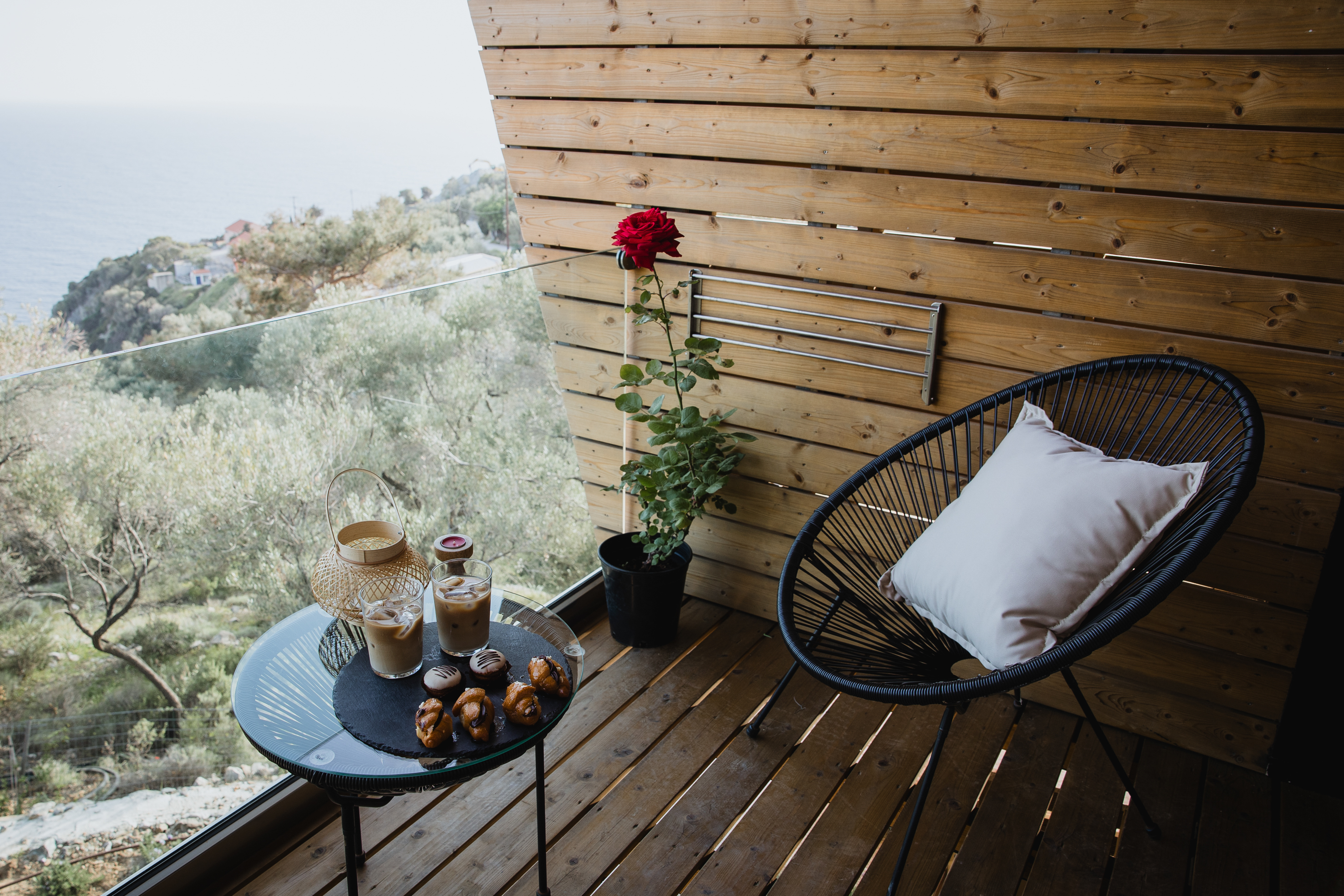
By afternoon, the quality of your base starts to matter even more. After sun and salt, a good stay in Plomari should make it easy to reset. That might mean private outdoor space, a plunge or pool moment, a jacuzzi, shade, quiet design, or simply the feeling that your room belongs to the landscape rather than fights it. This is where polished hospitality makes a real difference. Luxury on Lesvos, in my view, works best when it feels woven into local character instead of imported on top of it.
Evening is where the wrong booking reveals itself. If dinner requires too much planning, if the return is steeper or darker than expected, or if “peaceful” turns into “too cut off for one more spontaneous walk,” the trip starts losing softness around the edges. In Plomari, the best stays support spontaneity. You want the option of an easy taverna evening, a comfortable return, and the sense that the night closes gently rather than with one last inconvenience.
Inside Plomari, micro-location often matters more than star rating. A beautiful stay can still be wrong for your habits if the distance, elevation, or access does not suit the way you actually travel.
Harbor-close stays usually suit travelers who want their evenings to remain flexible. If you like the idea of walking out for dinner, changing your mind, lingering a little, and returning without much thought, this part of Plomari often feels easy in the best way. For a short break, that ease can be a real luxury. You spend less energy organizing the holiday and more time inside it.
Hillside stays can be excellent when they balance view and access well. This is often where the most memorable panoramas appear, along with a stronger feeling of retreat. But I would never treat hillside as automatically superior. The right hillside property gives you privacy, design, and a satisfying return-to-room experience after the beach. The wrong one gives you a view that asks for too much effort every single night. That distinction is everything.
Edge-of-town or more secluded settings appeal to guests who genuinely want stillness. Sometimes that is exactly right, especially for couples who value space, private water features, and a quieter frame around the trip. But seclusion only feels luxurious when access remains manageable. If a property is far enough out that every meal, beach outing, or evening stroll requires a decision and a drive, the stay can become less freeing than it first appears.
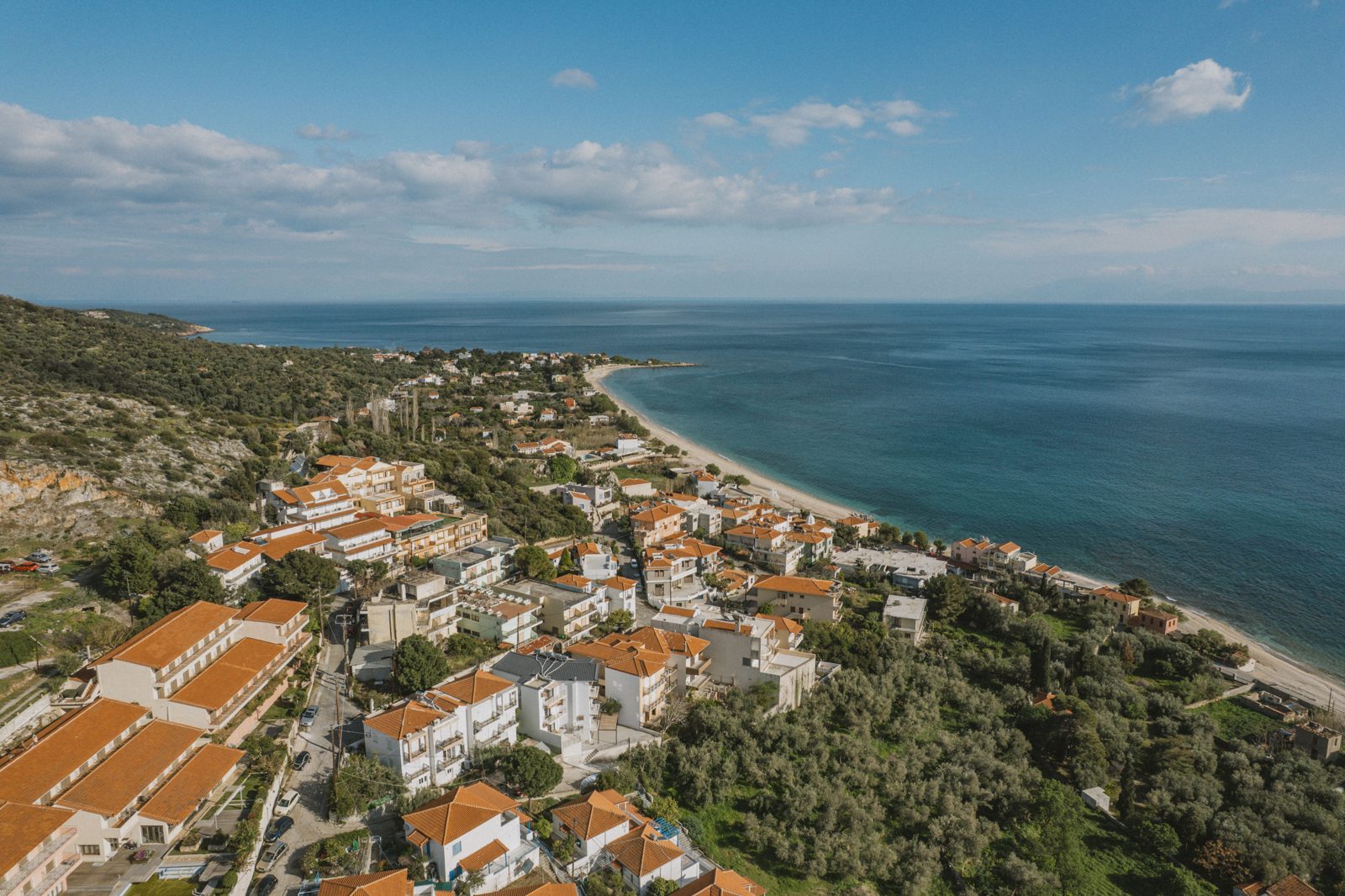
This is where I think thoughtful hospitality stands apart. A well-sited Plomari stay should not force you to choose between authenticity and comfort. The strongest options preserve both: local atmosphere, beautiful outlooks, and the practical ease that keeps a short holiday from turning rigid.
The most common mistake is choosing with your eyes only. Sea view, terrace, stone textures, a serene pool line—none of these are bad criteria. But they are incomplete. The real test is whether the property still feels right after a real day: after swimming, after sun, after dinner, when you are pleasantly tired and no longer in a mood to manage friction.
I would pay close attention to the quality of the return. Can you get back easily after a relaxed meal? Would you still enjoy the setting on the second or third night, not just on arrival? Does privacy feel calming, or does it remove the possibility of spontaneity? A stay can be visually perfect and rhythmically wrong.
Convenience, in Plomari, is not the opposite of luxury. Very often it is part of luxury. Being able to move smoothly between beach, room, and dinner without unnecessary effort is what allows the scenery to remain pleasurable rather than performative. For travelers booking a refined Lesvos escape, that distinction is worth more than another dramatic photo angle.
For three to five nights, Plomari can be a particularly good fit because it rewards repetition. You do not need a huge agenda here to feel that the trip is full. A favorite swimming spot, a dependable dinner rhythm, a room that invites you to pause, and evenings with a little softness around them can be enough. In fact, that is often the point.
This is also why calmer periods can suit Plomari so well. If you are traveling in shoulder season and wondering whether it may feel too quiet, I would frame the question differently: are you looking for stimulation at every hour, or for a place where calm still feels alive? For many premium-minded travelers, especially couples, Plomari is strongest when the tempo relaxes and the island’s character has room to breathe.
When conditions are normal, that quieter frame can become an advantage rather than a compromise. The town does not need to overwhelm you to reward you. It only needs to feel coherent, welcoming, and easy to inhabit for a few days. With the right hotel in the right micro-location, it very often does.
Usually not, if what you want is a calm, beach-led stay with good dinners and slower evenings. It may feel too quiet only for travelers expecting a busier resort pattern or constant nightlife. For a short escape built around rest, scenery, and easy repetition, the quieter rhythm is often exactly what makes it work.
That depends less on Plomari itself than on where your hotel sits within it. In a well-placed stay, a car can remain useful rather than essential, especially at night. In a more isolated or elevated property, it can become functionally necessary for dinners and returns. That is why micro-location matters so much before you book.
Often yes, but only when access is still comfortable for your trip style. If you love privacy, outlook, and a stronger sense of retreat, hillside can feel special. If you know you want easy tavernas and minimal effort after dark, then the best view in town may still be the wrong choice.
There is no single number that decides it. I would judge it by rhythm: if dinner starts requiring planning, if you would hesitate to go out twice in one evening, or if every return to the room feels like a small project, the property is probably too far for a short stay. On a brief holiday, small frictions add up quickly.
In my view, the strongest fit is a design-led, well-sited stay that respects local character while making the practical parts of the trip feel smooth. That is where Plomari becomes more than scenic. It becomes easy to live in for a few days. If you want authenticity, comfort, and the kind of quiet that restores rather than isolates, that is exactly the balance we aim for at Five Olive Dream Trip.
Choose a stay that balances privacy, sea access, and easy nights out—so your Lesvos escape feels restorative instead of complicated. Five Olive Dream Trip is designed for travelers who want authentic luxury without losing convenience.